 Need an urgent specialist clean? Contact our emergency response team.
Quality, Safety & Assurance
Safety management from instruction to completion
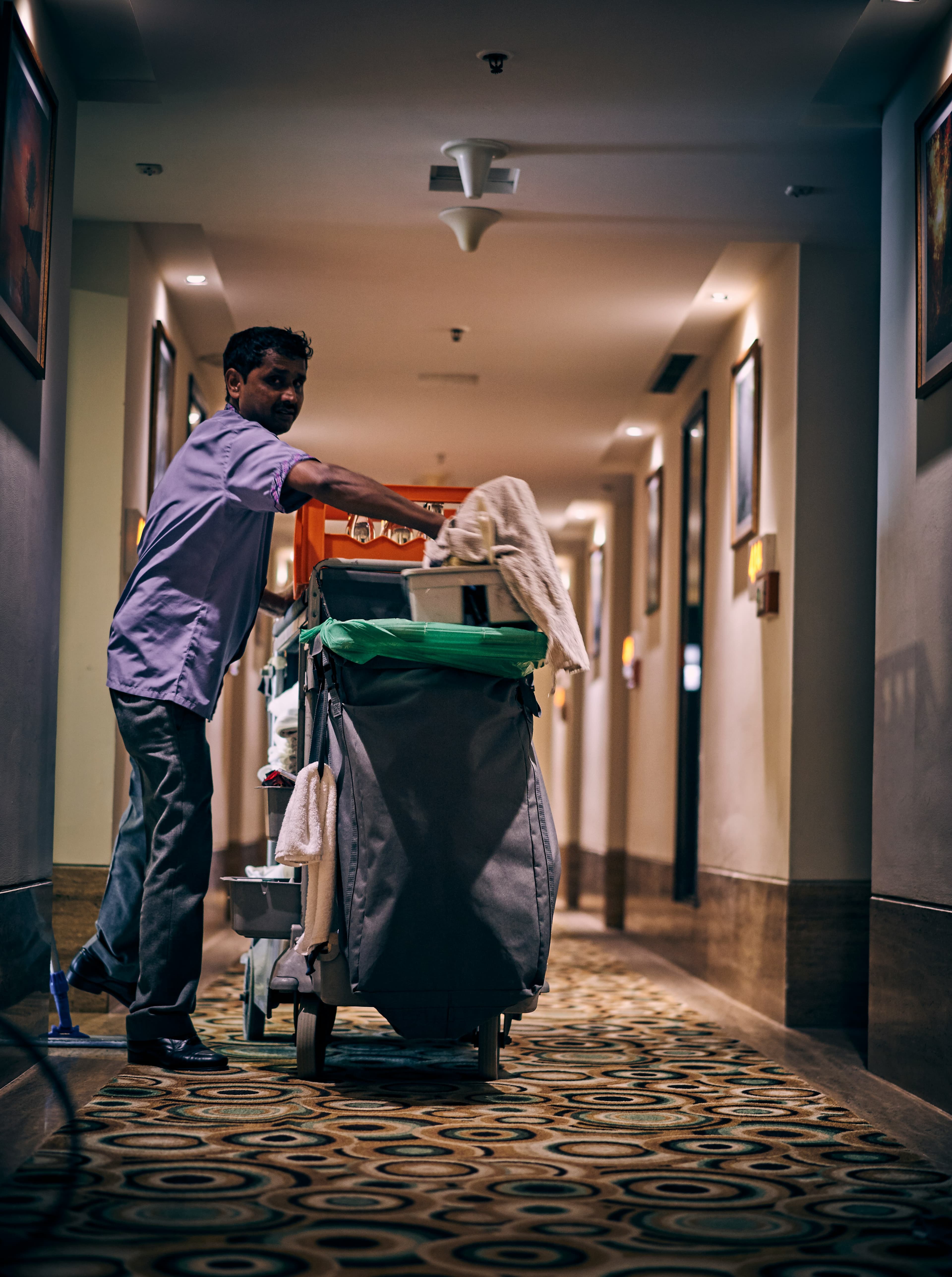
Cleaning work can create or encounter wet floors, chemical exposure, manual handling, damaged property, poor lighting, unsafe access, discarded sharps, contamination, lone working, aggressive behaviour and unfamiliar building-security arrangements.
Governance and accountability
The Director retains overall accountability. Day-to-day duties may be delegated to a contract manager, health and safety lead, scheduling lead, supervisors and operatives, but delegated tasks must be documented and monitored.
- Risk assessment and method statements
- Competent staff allocation
- Site induction
- Equipment and PPE readiness
- Incident escalation
- Quality inspections
- Record completion
- Corrective action
- Policy review
Pre-attendance review
Before confirming work, Shinezone collects and assesses enough information to plan safely.
- Client and site contact
- Address and postcode
- Property type, size and number of floors
- Occupied or vacant status
- Vulnerable occupants or children
- Access, keys, alarms and lock-up duties
- Working hours and out-of-hours need
- Water and electricity availability
- Parking and loading
- Stairs, lifts and access limitations
- Sharps, bodily fluids, mould, pests or unknown chemicals
- Waste type and volume
- Heavy or bulky items
- Working at height
- Completion deadline
- Photographs where authorised
- Need for a survey or specialist subcontractor
Risk assessments and method statements
A suitable risk assessment identifies hazards, persons at risk, existing controls, additional controls, responsible persons, implementation dates, residual risk and review triggers.
A method statement should explain arrival, sign-in, induction, dynamic checks, segregation, PPE, cleaning sequence, waste handling, decontamination, final inspection, security and escalation.
Dynamic risk assessment
Operatives should reassess work when conditions change, and every operative must have authority to stop and escalate unsafe work.
- More contamination than reported
- Unexpected sharps or substances
- Aggressive or distressed occupants
- Blocked fire exits
- Damaged electrical fittings
- Unstable floors or ceilings
- Poor lighting
- Water leaks
- Unsafe access equipment
- Asbestos warnings
- Pest infestation
- Public access that cannot be controlled
- Communication failure
- PPE failure
- Worker illness
Site induction
- Site contact
- Sign-in and sign-out
- Fire alarm and escape route
- Assembly point
- First aid
- Restricted areas
- Resident considerations
- Security
- Lone-working arrangements
- Welfare facilities
- Known hazards
- Incident route
- Lock-up and alarms
Fire, slips, manual handling and work at height
Teams must not obstruct fire exits, escape routes, fire doors, call points, extinguishers, emergency lighting or fire-service access.
Wet-floor controls include cleaning in sections, keeping a dry route, restricting access, signs, barriers, spill response, cable management, adequate lighting and removing signs when the risk ends.
Manual handling considers weight, shape, grip, distance, stairs, team lifting, trolleys, sharp edges, contamination and whether the item is within scope.
Work at height is avoided where practicable. Where required, Shinezone selects the lowest-risk method, uses inspected equipment, competent staff and segregation below.
Electrical safety, equipment inspection and site security
Equipment is visually checked before use, maintained, cleaned, decontaminated, stored securely and removed from service if defective.
Site security includes authorised key holders, key logs, secure code handling, visitor verification, closing checks, alarm-setting records, lost-key reporting and controlled photography.
Incident and near-miss reporting
Injuries, sharps incidents, chemical exposure, eye splashes, slips, aggression, equipment failure, property damage, security breaches, waste spills and unsafe conditions must be reported.
- Make safe
- Obtain first aid or emergency support
- Notify the site contact where appropriate
- Notify Shinezone management
- Preserve evidence
- Record the event
- Assess statutory reporting
- Investigate
- Assign corrective action
- Share learning
Related policies
Next step
Tell us about your property and receive a tailored proposal.
The form captures property, access, risk and date preferences so Shinezone can triage the work properly.